
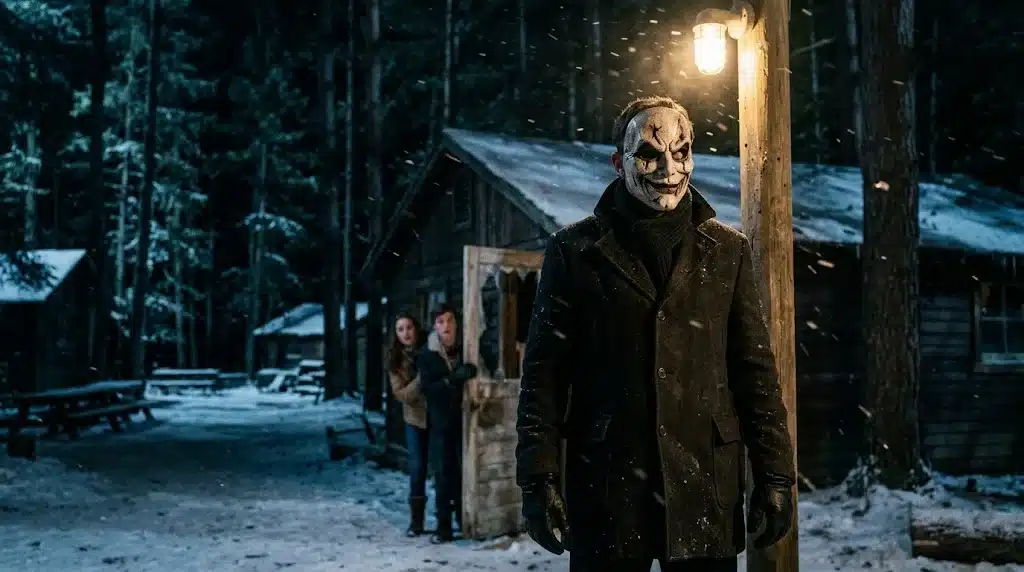
Is Black Phone 2 worth watching? For viewers who enjoyed the original film’s unsettling atmosphere and supernatural mystery, the sequel offers a compelling reason to return. It brings back Ethan Hawke’s terrifying Grabber, gives Gwen Blake a larger role, and replaces the first movie’s confined setting with a snowbound nightmare.
But this isn’t simply another kidnapping thriller. Director Scott Derrickson takes the story in a more supernatural direction, with violent dream sequences, unresolved trauma, and a deeper connection between the Blake family and the killer.
The critical response has been generally positive, particularly toward the film’s performances, disturbing visuals, and willingness to try something different. Some reviewers, however, have questioned its pacing and increasingly complicated mythology.
The short verdict: Black Phone 2 is a worthwhile horror sequel for fans of supernatural scares, although viewers who preferred the first film’s grounded suspense may find the new approach less effective.
Spoiler-free review based on the film’s published critical reception, verified production details, and analysis of its storytelling approach.
What Makes Black Phone 2 Different From the First Movie?
One of the biggest challenges facing Black Phone 2 is that the original movie already delivered a complete, emotionally satisfying confrontation between Finney Blake and the Grabber.
Rather than recreate that conflict, the sequel explores what happens after survival.
Finney is older, but escaping his abductor hasn’t erased the emotional damage. His sister Gwen, whose psychic visions helped establish the first film’s supernatural elements, becomes central to the new mystery.
The story takes the siblings to Alpine Lake, an isolated winter camp where disturbing visions and long-buried family history begin to connect.
This change brings both advantages and risks.
The snowy landscape introduces fresh visual possibilities, and Gwen’s nightmares allow Derrickson to explore a different kind of fear. At the same time, shifting away from the first movie’s relatively simple survival premise requires more explanations and supernatural rules.
That trade-off helps explain why critics have praised the sequel’s ambition while expressing reservations about its storytelling.
Is Black Phone 2 Actually Scary?
Black Phone 2 moves away from the claustrophobic fear that made the original so effective.
In the first movie, danger came from being trapped in a small space with a human predator. The sequel makes that danger harder to contain: terrifying visions, disturbing memories, and supernatural threats can emerge beyond ordinary physical boundaries.
Gwen’s dream sequences are especially important to this approach.
Director Scott Derrickson and cinematographer Pär M. Ekberg use grainy, retro-styled imagery to distinguish the nightmares from the film’s colder, more conventional scenes.
The contrast creates the impression of watching fragments of a damaged recording, where the image itself feels unreliable.
Brian Tallerico, writing for RogerEbert.com, praised the film’s unsettling imagery and inventive horror staging, while noting that excessive explanation occasionally interrupts its momentum.
The result is a different kind of horror experience. Viewers who enjoy nightmare imagery, supernatural threats, and disturbing visual set pieces may find the sequel especially effective. Those who prefer restrained psychological suspense may miss the original’s more intimate tension.
Madeleine McGraw and Mason Thames Give the Sequel Its Emotional Core
The relationship between Gwen and Finney is arguably the most important foundation of the new story.
Mason Thames returns as Finney Blake, now struggling with the lasting consequences of his traumatic experience.
His character’s anger and emotional withdrawal show how survival continues to shape his relationships.
Madeleine McGraw takes on a more prominent role as Gwen.
Her character is no longer limited to helping her brother from a distance. Instead, her unsettling visions place her at the center of the mystery and give her decisions greater influence over the plot.
This shift is especially significant because Gwen’s supernatural abilities were already part of the original film. Expanding them creates continuity while giving the sequel a new narrative perspective.
The sibling relationship also gives the movie something more substantial than another confrontation with a returning villain: two young people coping differently with the same family trauma.
That emotional foundation is one of the strongest reasons the sequel’s more ambitious horror ideas can work.
Does Ethan Hawke’s Grabber Still Feel Threatening?
Bringing back a horror villain after an apparently definitive ending is difficult.
It risks undermining the previous story, especially when the original antagonist was frightening precisely because he was human.
In Black Phone 2, the filmmakers take a different approach. The Grabber’s threat now extends beyond death, making his connection to Gwen’s nightmares central to the sequel.
Ethan Hawke returns to the role with the recognizable masked appearance that helped make the character memorable.
The change, however, is about more than the mask.
In the original film, the Grabber’s cruelty was unpredictable but physical. The sequel expands his influence into supernatural territory, allowing the filmmakers to create dangers that would have been impossible under the earlier story’s rules.
That makes him more versatile as a horror antagonist, but it also changes what made him frightening.
For viewers who found the grounded cruelty of the first film especially disturbing, this supernatural evolution may feel less personal. For others, it turns the Grabber into a more distinctive recurring horror figure.
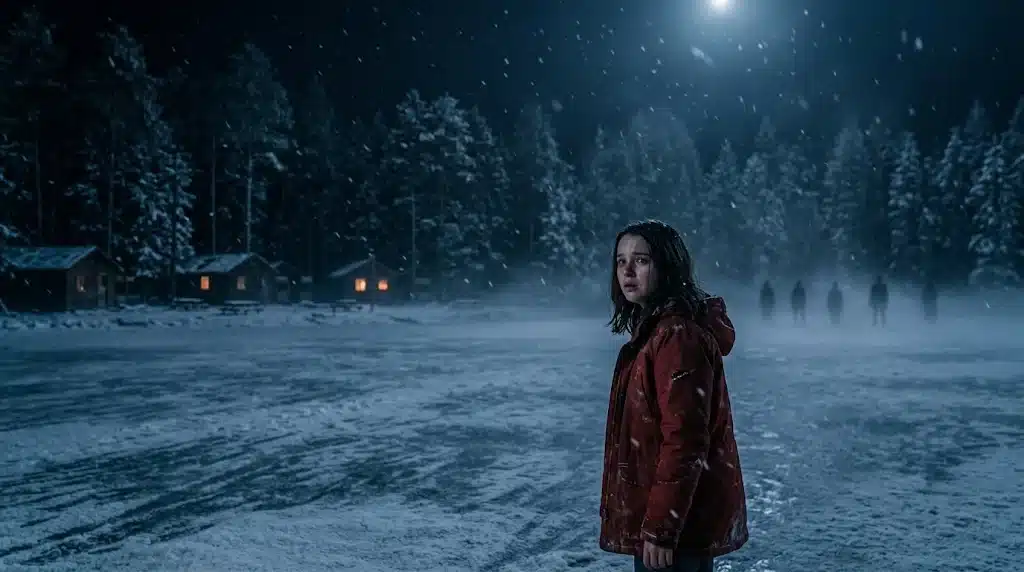
Scott Derrickson’s Direction: Strong Visuals, Uneven Pacing
Scott Derrickson’s experience with supernatural horror is evident in the sequel’s visual approach.
The winter location creates a striking contrast between vast, open landscapes and the characters’ inability to escape their situation.
Snow and darkness become part of the threatening atmosphere, while the dream sequences offer opportunities for more experimental imagery.
This is where the sequel makes its strongest case for existing.
Instead of rebuilding the basement from the original movie, it creates a new visual identity that draws on the tradition of 1980s supernatural horror.
The comparison to A Nightmare on Elm Street is difficult to avoid, particularly because nightmares become a space where the villain can threaten his victims.
But the screenplay is not equally successful throughout.
Several critics have identified exposition as a weakness. As the story introduces family connections, supernatural rules, and historical mysteries, scenes sometimes spend too long explaining the plot instead of allowing suspense to develop naturally.
That is particularly noticeable in a film whose strongest moments depend on uncertainty.
The additional mythology gives Black Phone 2 greater narrative ambition, but it also makes the sequel feel less streamlined than its predecessor.
Black Phone 2 vs. The Black Phone: Which Approach Works Better?
The films share characters and themes, but they create fear differently.
| Element | The Black Phone (2022) | Black Phone 2 (2025) |
|---|---|---|
| Main horror approach | Captivity and psychological suspense | Supernatural nightmares and haunting |
| Main setting | Confined basement | Isolated winter camp |
| Story focus | Finney’s survival | Trauma, family history and Gwen’s visions |
| The Grabber | Human serial killer | Supernatural threat beyond death |
| Atmosphere | Intimate and claustrophobic | Larger-scale, surreal and wintry |
| Major strength | Simplicity and tension | Visual ambition and expanded character relationships |
Neither approach will appeal equally to every horror fan.
The first movie’s strength comes from its controlled premise: a boy must escape a killer using clues from mysterious callers.
The sequel takes a broader approach by exploring the psychological consequences of that experience and expanding the rules of its supernatural world.
In effect, it exchanges some of the original’s simplicity for more elaborate horror imagery and family mythology.
The better choice depends on what you value most: grounded suspense or supernatural spectacle.
What Are Critics Saying About Black Phone 2?
The critical reception suggests that the sequel succeeds more often than it fails, although not everyone agrees on its execution.
As checked on October 17, 2026, Rotten Tomatoes reports:
- 72% Tomatometer, based on 196 critic reviews.
- 82% Popcornmeter, based on more than 2,500 verified audience ratings.
Meanwhile, Metacritic reports a 61/100 Metascore, indicating generally favorable reviews.
These figures reflect different scoring methods and should not be treated as interchangeable measures of quality.
Across published reviews, a few recurring themes stand out.
Critics who responded positively highlighted the visual style, unsettling dream sequences, emotional continuity, and the willingness to move beyond the original movie’s structure.
More mixed reactions focused on the length, extensive explanations, and the challenge of making the expanded supernatural mythology feel coherent.
The audience response has been warmer than the critics’ aggregate score, suggesting that the sequel’s more intense and imaginative horror approach has connected with many viewers.
What Doesn’t Work as Well in Black Phone 2?
Despite its strengths, Black Phone 2 has three notable limitations.
First, the story becomes increasingly complicated. The expanded mythology gives the film more to explore, but it also requires viewers to keep track of several connected mysteries.
Second, exposition occasionally replaces suspense. Horror often works best when uncertainty is allowed to linger. Explaining every supernatural connection risks weakening that effect.
Third, the sequel changes the source of fear. The Grabber’s evolution into a supernatural antagonist opens up more frightening possibilities, but it moves away from the grounded terror that defined the first movie.
These weaknesses do not necessarily ruin the experience. They illustrate the compromises involved in turning a relatively self-contained horror story into a broader supernatural franchise.
Who Should Watch Black Phone 2?
The sequel is especially suited to viewers who enjoy supernatural horror involving dreams, disturbing imagery, and emotionally connected characters.
Fans of Derrickson’s visual style and 1980s-inspired nightmare horror are also likely to find elements worth appreciating.
However, it may not be the ideal choice for viewers who want a tightly grounded thriller with minimal supernatural mythology.
The movie is rated R in the United States for strong violent content, gore, teen drug use, and language. Its approximately 114-minute runtime also gives it more room for character development and mythology than the first film.
For the most satisfying experience, watching The Black Phone beforehand is recommended because the sequel builds directly on its characters and emotional consequences.
Where Can You Watch Black Phone 2?
If the film’s darker supernatural approach sounds appealing, you can compare current viewing options in our Where to Watch Black Phone 2 guide.
That guide explains subscription streaming, digital rentals, purchases, and why availability varies by country.
Frequently Asked Questions
Is Black Phone 2 better than the first movie?
The sequel is more ambitious visually and expands the supernatural story, while the original is more contained and focused on survival. Viewers who prioritize suspense may prefer the first, while fans of supernatural horror may appreciate the second.
Is Black Phone 2 worth watching?
Yes, especially for fans of supernatural horror. Viewers seeking the first film’s tightly contained suspense may be less satisfied.
Is Black Phone 2 scarier than The Black Phone?
It relies more heavily on disturbing nightmares, violent supernatural imagery, and elaborate horror sequences. Whether that makes it scarier depends on whether you find psychological confinement or supernatural threats more frightening.
Does Black Phone 2 have jump scares?
The sequel includes sudden moments of horror, but its atmosphere also depends on prolonged supernatural tension, unsettling visions, and violent imagery.
Do you need to watch The Black Phone first?
It is strongly recommended. The sequel continues Finney and Gwen’s story and builds on events and character relationships established in the original.
What Does Black Phone 2’s Second Trailer Reveal About the Horror?
The second official trailer for Black Phone 2 previews the nightmare imagery discussed above, giving viewers a useful sense of the sequel’s visual style.
The footage contrasts Alpine Lake’s snowy landscapes with Gwen’s disturbing visions.
Watch Black Phone 2 – Official Trailer 2 (Universal Pictures):
The trailer contains promotional footage and may reveal minor story details, but this analysis avoids the film’s major twists.
Final Verdict: Does Black Phone 2 Deserve Your Time?
Black Phone 2 takes a creative risk by refusing to repeat the formula that made its predecessor successful.
Its most compelling qualities are the stronger emphasis on Gwen, the exploration of Finney’s lingering trauma, and the chilling visual possibilities introduced by Alpine Lake and the nightmare sequences.
Ethan Hawke’s return supplies continuity, while Scott Derrickson’s direction gives the sequel a distinctive supernatural identity.
The weaknesses are mainly structural. A more complicated plot, occasional over-explanation, and a less grounded villain may disappoint some viewers.
Ultimately, Black Phone 2 is a worthwhile continuation for audiences willing to embrace its shift from intimate captivity horror toward an ambitious supernatural nightmare. It doesn’t recreate the first film’s particular tension, but its strongest ideas show why returning to these characters can still be meaningful.

